

Building on Our Heritage From God


John Reese
Searcy, Arkansas
WBS President Emeritus


When I was first fitted with prescription glasses, the assistant directed my wondering gaze to the outdoors. What a surprise! Splashes of amorphous green became grass with individual blades. Trees grew distinct leaves. Birds had feathers.

History can do that for the soul, bringing clarity to what was vague or hidden. For many, life is like a vapor in two ways: brief and clouded. They stumble through swirling mists, unaware of the path that led to the present and uncertain about the way forward. Historical context is the wind that clears away the fog. It gives perspective to the past and provides vision for the future.

A History of God's People
A History of God’s People

This is especially true of Christianity because it is rooted in history (Luke 1; 1 Corinthians 15). How did people come to be where they are in Christendom? What is the best direction for the future? For such questions, World Bible School planned a course on church history. Much of church history, however, lacks the element central to all WBS lessons—the Bible! So, the course became A History of God’s People. It begins with Old Testament history, continues with New Testament history, then traces developments up to the present. Scripture’s lens provides clarity. Learners compare the Lord’s inspired plan with the changes behind our current circumstances—which now include over 40,000 separate religious bodies that claim to be Christian.

Answering such confusion, biblical history reveals major themes: One Creator establishes order. He is dependable, unchanging, and faithful to His word. But we humans tend to stray. Moses predicted departures from God’s way (Deuteronomy 31-32), as did Jesus and His apostles (Mathew 24:5, 10; Acts 20:29-30; 1 Timothy 4:1; 2 Timothy 4:3-4; 2 Peter 2:1-2). As always, their predictions prove true, calling for repentance and restoration.

Knowing our tendencies, Jesus established one church on the enduring foundation of His word (Matthew 7:24; Ephesians 2:20).  Looking ahead “to the end of the age,” Jesus planned for all future disciples to obey all that He commanded the apostles (Matthew 28:18-20). True restoration returns to Jesus and builds on His foundation. It fulfills the confession, “Jesus is Lord!” Let Him be our standard rather than inherited histories or current cultures or personal preferences. All history fairly shouts, “Let God be God!”


Related Posts

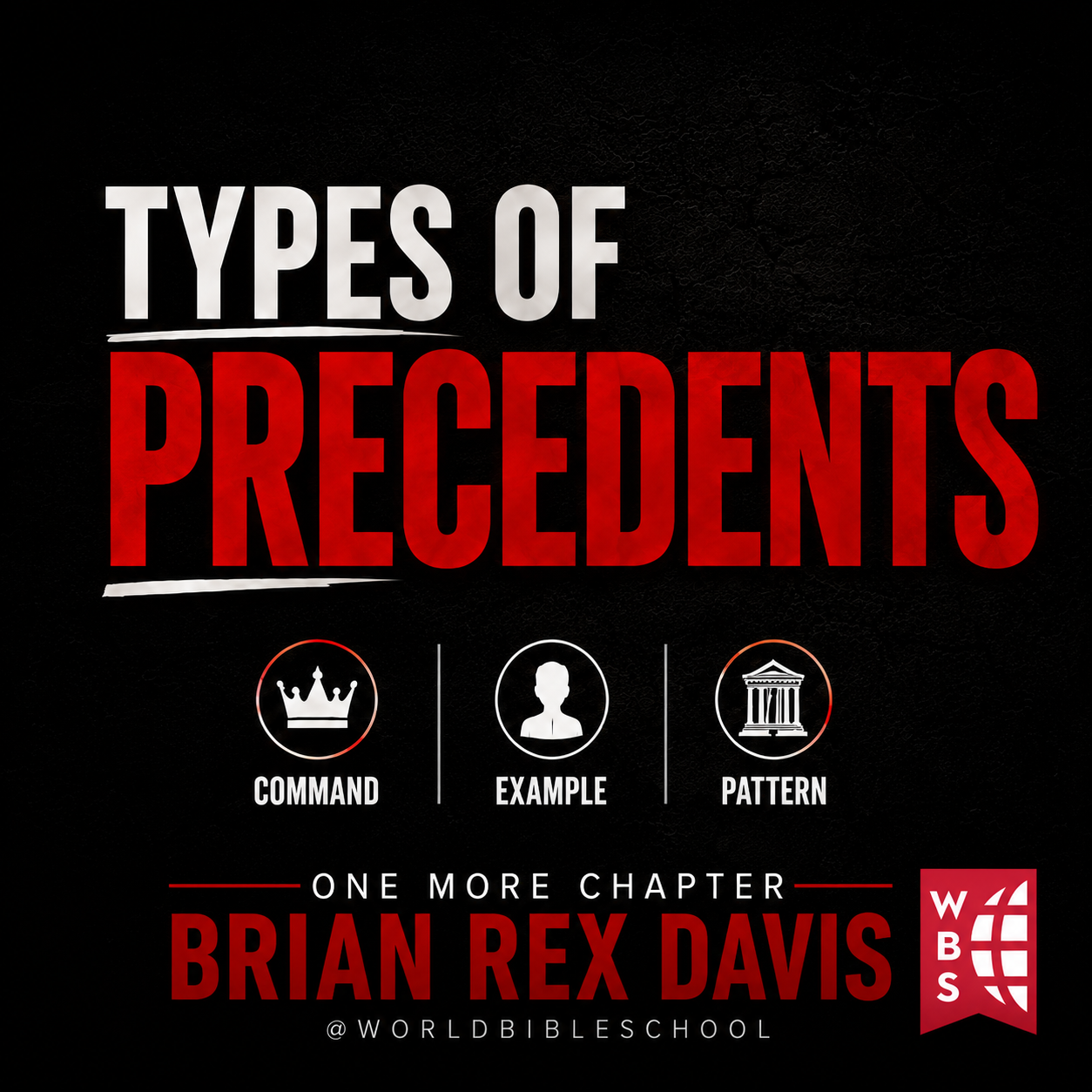
Types of Precedents – One More Chapter, Season 2, Episode 17

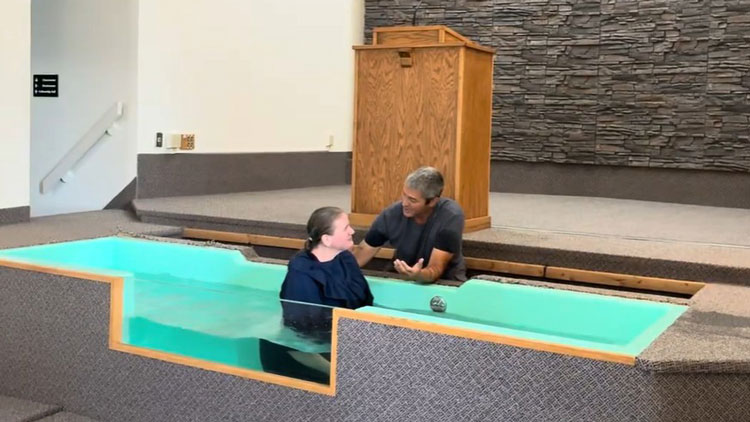
In this episode of One More Chapter, Brian Rex Davis and his co-hosts Noah and Bryson Continue their discussion of the concepts of purpose, principle, and precedent and how they help bridge the gap between meaning and application. They classify different types of biblical precedents—such as accepting both the practice and principle of baptism, retaining principles while adapting culturally bound practices like greetings or modesty, and rejecting both when Scripture indicates—and illustrate necessary inference through Peter’s experience with Cornelius in Acts 10–11.

Purpose and Precedent – One More Chapter, Season 2, Episode 16

This episode of One More Chapter continues the series on Bible study principles for bridging the gap between a passage’s original meaning and its application today. Hosts Brian Rex Davis, Noah Davis, and Bryson Davis review “purpose” and “principle,” then focus on “precedent”, emphasizing how approved apostolic examples establish binding patterns when they carry theological significance—while incidental details do not.

Follow Us on Social Media

Contact Us