Postal
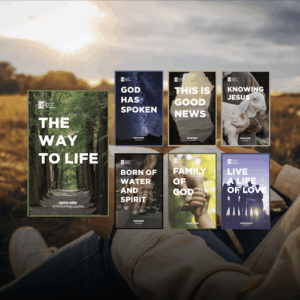
Postal is method of teaching the Master Series, WBS core curriculum, to Students seeking to know Jesus by mail.

In contrast to the perfection and infallibility of God’s Word is the nature of the reader in the divine communication process. Mankind brings along baggage of all kinds when approaching Scripture. We possess varying worldviews, perspectives, experiences, and biases that can all shape the way we read and understand the words of God. While this is neither inherently positive nor negative, we must be aware of and discern the parts of our nature that impact our understanding of God’s communication with us.
Every reader of God’s Word comes to the table with different assumptions and beliefs about the nature of truth. For some, truth is based on lived experience and therefore relative to the individual. For others, truth is based on the customs and traditions of their ancestors. In some parts of the world, scientific discovery provides the foundation for truth. In other parts, truth is derived from spiritual connection, whether that be with a deity or other spiritual forces. This creates issues for the reader as they try to understand God’s Word through the lens of their earthly culture.
All earthly cultures possess the fingerprints of God, but they are also contaminated by sin. This environment profoundly shapes the way we view life, reality and truth. Some of our perspectives are holy and Christ-like. Other parts of our worldview are neutral. Sometimes our lives are missing key components of godliness. There are still other aspects of our values and worldviews that have been corrupted to appear godly but are evil in nature. Worst of all are the beliefs and values our culture can instill in us that are completely opposed to God. When we approach God’s Word from this conflicting and chaotic perspective, it is like trying to see a painting through dirty, broken glasses. We will be able to understand parts of what God is communicating, but other parts will be unclear, which can lead to confusion, misinterpretation and frustration. Many are left doubting God and wondering if truth can ever be known.

God is aware of this common human struggle in understanding who He is and what truth is. This is why in Romans 12:2, God tells us not to be conformed to the world but to be transformed by the renewing of our minds. God knows that our earthly cultures distort our understanding of truth, and so He calls each of us out of those cultures into a new culture of transformation. In this new culture, in this culture of God, we can discern the will of God and the truth of God. This is why God calls us to “grow in the grace and knowledge of our Lord and Savior Jesus Christ” (1 Peter 3:18).
This invitation to a new culture is open to every reader of God’s Word. Although we are all born into distinct earthly cultures, God, in His love and grace, calls each of us to the culture of His kingdom. Since the beginning, God has spoken to people, inviting them to share in His culture so that they could better know truth, know Him, and follow Him. In Genesis 12:1-4, God invites Abram to leave his home, his culture, and everything he knows to follow a new way of life- God’s way of life. In Exodus 3:10, Moses is called by God to oppose the very culture in which he grew up, to lead God’s people. In Matthew 4:18-22, Jesus invites some fishermen to leave everything they know to become His apostles. In Acts 9:1-18, Paul is called out of his Jewish culture to become a missionary proclaiming the truth of God’s kingdom.
Abram began to understand and follow God when he accepted the call to God’s culture. Moses began to lead the Israelites back to God and His truth once he led them out of the Egyptian culture and into God’s culture. Once they embraced the culture of God, the apostles began to learn from Jesus the truth about reality, God’s kingdom, and His mission.
Paul’s understanding of God and His will was dramatically changed after he accepted God’s call to enter into the culture of God’s kingdom. In the same way, we will begin to understand God, His truth, and His divine communication when we approach it from God’s culture. When we set aside the baggage and assumptions of our earthly cultures and embrace the culture of God’s kingdom, we will better understand the truth that God created the heavens and the earth. We will better understand the truth that God created us all, male and female, in His image. We will better understand that God loves us so much that He has communicated with us since the very beginning and wants us to know Him and understand His words. We will begin to understand that Jesus is “the way, and the truth, and the life,” (John 14:6) and that the unchangeable standard of truth is God and His Word. We will begin to understand that we have all been called out of the darkness of our earthly cultures and into the light of God’s culture so that we can be a chosen, royal, and holy people
(1 Peter 2:9-10) who know God, know His truth, and belong to Him.
The perfection of God’s divine communication with us is awe-inspiring. While our human limitations and cultures may threaten our understanding of that communication, God has provided a way for each of us to know Him, to know His truth, and to understand His words. If we accept God’s invitation and read His Word through the lens of His culture, we will begin to view truth, the world and reality the way God always intended us to.

ACTION! is World Bible School's flagship publication. Read inspiring success stories, tips on how to share the Gospel with others and updates on WBS and its tools!
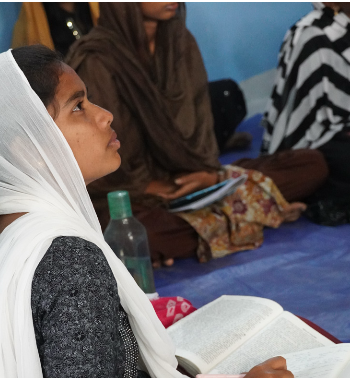
In Action Magazine, “The Bible’s Nature in Divine Communication” explores how understanding who God is transforms the way we read His Word. Dive in and see how divine communication shapes a deeper faith.

God’s Nature in Action! Magazine reveals the heart behind Divine Communication—a God who speaks with purpose, power, and love. When we understand who He is, we begin to understand why He speaks and how His voice shapes our faith, our trust, and our daily walk with Him.
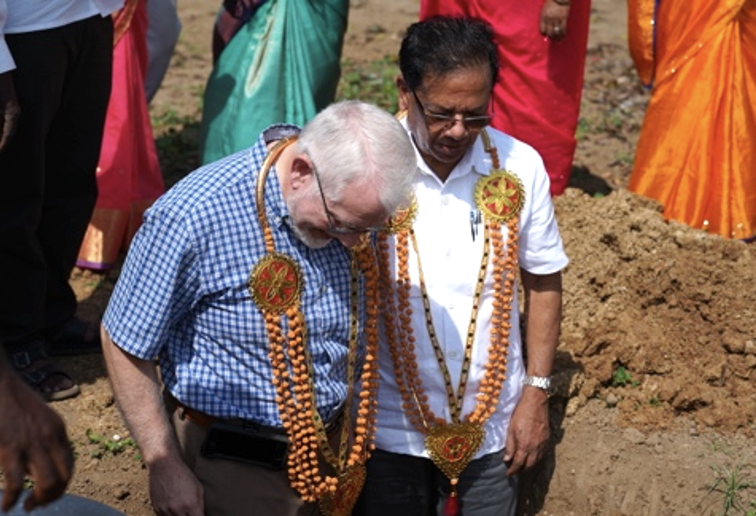
The year has begun with incredible open doors for the Gospel around the world. As we seek to align with where God is already at work, WBS has been blessed to take part in meaningful Kingdom opportunities.
Explore the World Bible School catalog—your one-stop guide to Bible study tools, outreach resources, and follow-up materials designed to help you share the Gospel and grow in Christ.