
Souls Added in Zambia Prisons

Zambia Team 2023: Melvin Kalinmanshila – driver Jimmy – Thomas Sakala – Rodgers Chuulu – David Harper with WBS and Concord Road church of Christ in Brentwood, Tennessee.

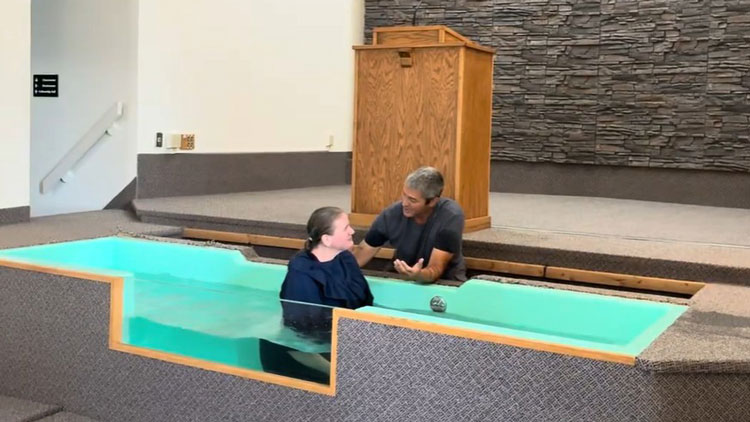
Over three decades ago, Ruth Orr with Church Street in Lewisburg, TN studied with WBS Students in Zambia Africa. Today those same Students who obeyed the Gospel have shared the Good News with thousands in their country of Zambia. Thomas Sakala, Rodgers Chuulu, and Melvin Kalinmanshila share lessons in 11 different prisons from Livingston in the South, North to Chingola in the Copperbelt and East to Serenje. Teachers with Concord Road church of Christ in Brentwood, Tennessee partner and support these brothers in the work. In September alone, there were 87 baptisms in just three of the maximum-security prisons. With the development of Ocean Bridge and God’s continued blessings, we expect this effort to be shared with many thousands of those who hunger for the hope they are desperately searching for.

Related Posts

Types of Precedents – One More Chapter, Season 2, Episode 17

In this episode of One More Chapter, Brian Rex Davis and his co-hosts Noah and Bryson Continue their discussion of the concepts of purpose, principle, and precedent and how they help bridge the gap between meaning and application. They classify different types of biblical precedents—such as accepting both the practice and principle of baptism, retaining principles while adapting culturally bound practices like greetings or modesty, and rejecting both when Scripture indicates—and illustrate necessary inference through Peter’s experience with Cornelius in Acts 10–11.

Purpose and Precedent – One More Chapter, Season 2, Episode 16

This episode of One More Chapter continues the series on Bible study principles for bridging the gap between a passage’s original meaning and its application today. Hosts Brian Rex Davis, Noah Davis, and Bryson Davis review “purpose” and “principle,” then focus on “precedent”, emphasizing how approved apostolic examples establish binding patterns when they carry theological significance—while incidental details do not.

Follow Us on Social Media

Contact Us