

AWEIL FREE BIBLE COURSES CENTER
Total Active Students: 135
The Lord continues to add to His church at Free Bible Centre!
135 students are actively studying God’s Word through WBS courses and are growing in knowledge and faith.
Current Course Distribution:
Course 2: God Has Spoken – 60 students. New students learning how God reveals Himself through His Word. Foundation course building strong faith.
Course 4: Knowing Jesus – 51 students. Students studying the life, death, and resurrection of Christ. Learning that Jesus is the Way, Truth, and Life John 14:6.
Course 6: Family of God – 24 students Advanced students learning about the church, worship, and how Christians live together as God’s family.
All 135 students are continuing with their courses. They all attended and students are asking deep questions.
No dropouts this quarter.
“Let us not grow weary in doing good.”
Galatians 6:9


ACTION! is World Bible School's flagship publication. Read inspiring success stories, tips on how to share the Gospel with others and updates on WBS and its tools!
This episode of One More Chapter explores how to properly apply Bible study today by first determining a passage’s original meaning, purpose, principles, and precedents, then bringing those forward without imposing modern customs or values onto the Scripture.
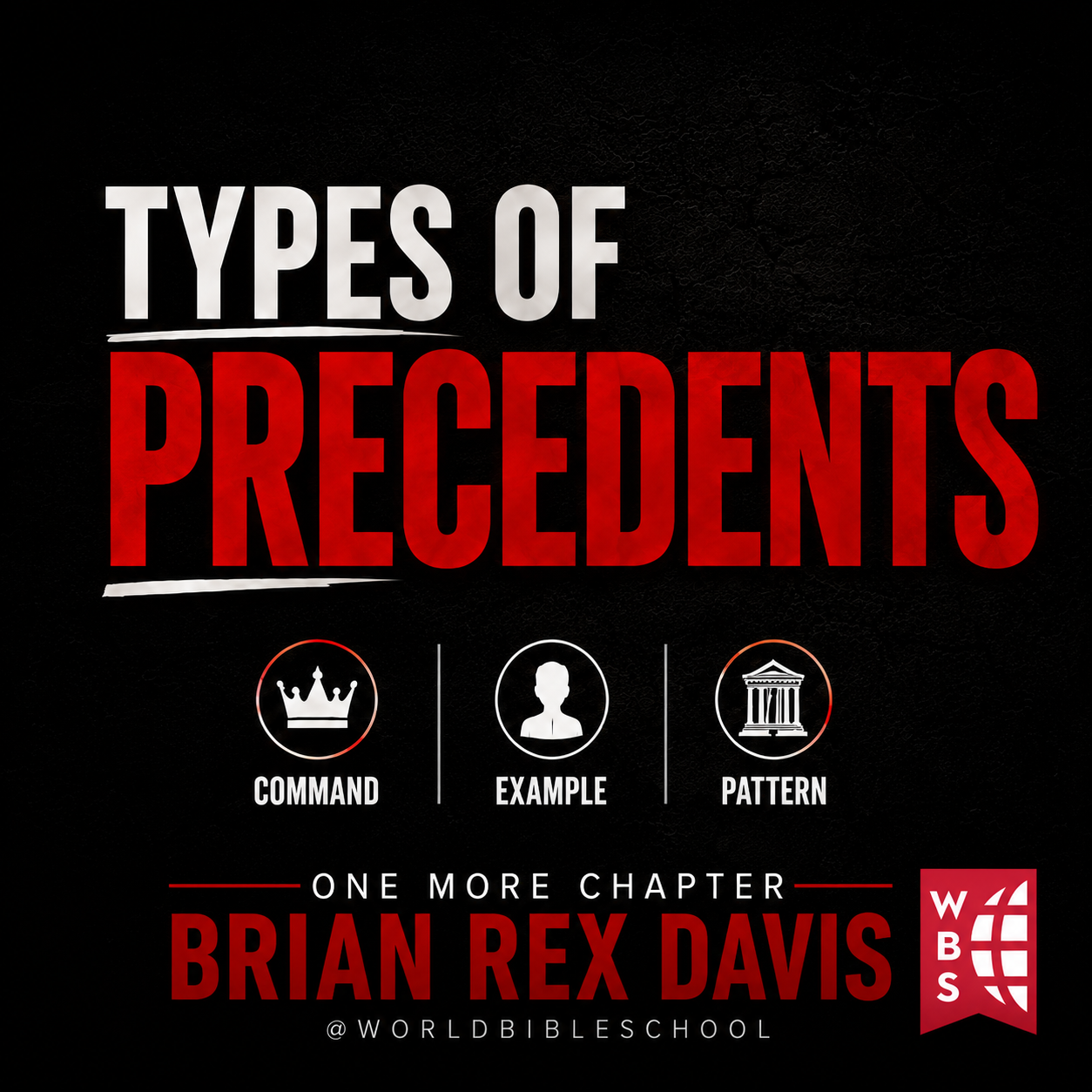
In this episode of One More Chapter, Brian Rex Davis and his co-hosts Noah and Bryson Continue their discussion of the concepts of purpose, principle, and precedent and how they help bridge the gap between meaning and application. They classify different types of biblical precedents—such as accepting both the practice and principle of baptism, retaining principles while adapting culturally bound practices like greetings or modesty, and rejecting both when Scripture indicates—and illustrate necessary inference through Peter’s experience with Cornelius in Acts 10–11.
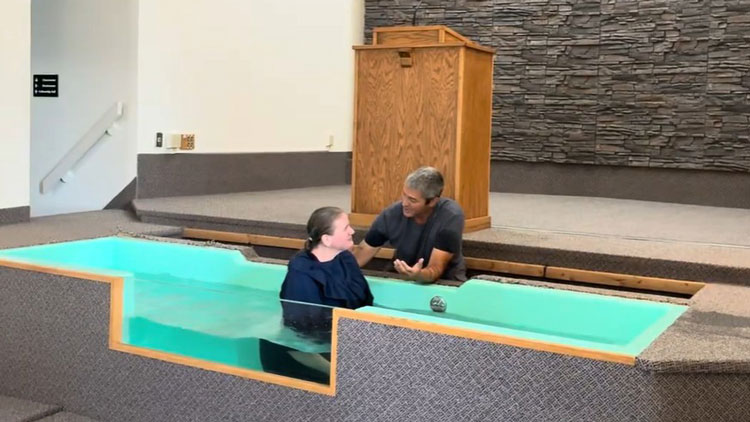
When Stephenie signed up on the World Bible School website to study the Bible by mail, she couldn’t have known where those lessons would lead. This summer, they led to
This episode of One More Chapter continues the series on Bible study principles for bridging the gap between a passage’s original meaning and its application today. Hosts Brian Rex Davis, Noah Davis, and Bryson Davis review “purpose” and “principle,” then focus on “precedent”, emphasizing how approved apostolic examples establish binding patterns when they carry theological significance—while incidental details do not.