

Precedent

Precedent

BY BRIAN REX DAVIS | ACTION! EDITOR & WBS PRESIDENT


Follow the pattern of the sound words that you have heard from me, in the faith and love that are in Christ Jesus. (2 Timothy 1:13).

Like PURPOSE and PRINCIPLE, the idea of PRECEDENT is a Biblical concept that Luke, the Apostle Paul, and the Hebrew writer use for the benefit of the New Testament church. This concept is best seen in the New Testament Greek word tupos, usually translated as “pattern”. In his book “The Cultural Church,”, F. Lagard Smith presented the concepts of “purpose, principle, and precedent” as three words that complement and flesh out the study approach of “Command, Example, and Necessary Inference,” a time-honored approach to Bible study that holds a very high view of the authority of Scripture.

When I was a university student studying Bible, I remember dormitory debates as to whether examples in the Bible were authoritative. Certain bad examples in Scripture would often be cited as evidence that examples shouldn’t be authoritative. This is where the concept of precedent really matters. With a little bit of effort, we can work out the difference between a bad example and a good example and between an incidental example and an example to be followed.

The “purpose” of an example will often establish whether or not it is a precedent to be followed. Quite literally, if we didn’t have these authoritative patterns, we would be making up Christianity as we go. As a missionary, “making it up” sounds like a recipe for man-made religion on a pretty spectacular scale. With precedent, we know things like the importance of assembly on Sundays and how often to partake of the Lord’s Supper, important and meaningful practices of Christian life!

The word precedent is so very helpful because it specifies examples that are, by context and consistency, authoritative and thus applicable to all churches in different cultures and across various times. As parents we often use good examples to teach our children. This concrete expression of teaching helps children take specific instructions and understand how to apply them in various settings. It helps a child know what is pleasing to the parent. And importantly, it helps a child know how to think and feel as the parent. Examples that meet the level of precedent are living experiences that draw us ever closer to the heart of our God in a way that we can be certain will be pleasing to our Heavenly Father!

“Examples that meet the level of precedent are living experiences that draw us ever closer to the heart of God”

Brian Rex Davis


Related Posts

Types of Precedents – One More Chapter, Season 2, Episode 17

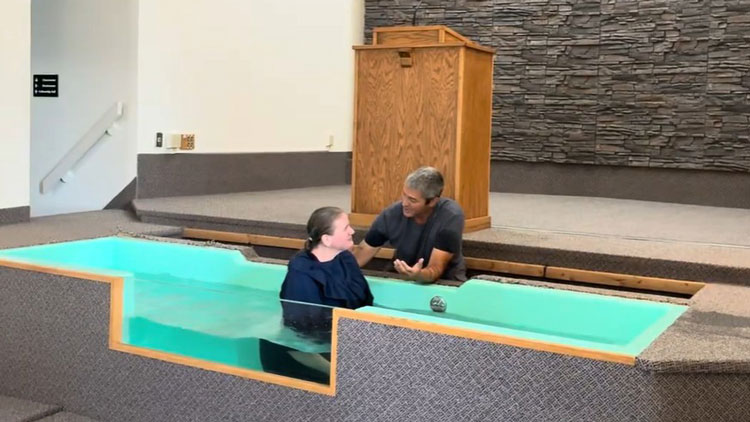
In this episode of One More Chapter, Brian Rex Davis and his co-hosts Noah and Bryson Continue their discussion of the concepts of purpose, principle, and precedent and how they help bridge the gap between meaning and application. They classify different types of biblical precedents—such as accepting both the practice and principle of baptism, retaining principles while adapting culturally bound practices like greetings or modesty, and rejecting both when Scripture indicates—and illustrate necessary inference through Peter’s experience with Cornelius in Acts 10–11.

Purpose and Precedent – One More Chapter, Season 2, Episode 16

This episode of One More Chapter continues the series on Bible study principles for bridging the gap between a passage’s original meaning and its application today. Hosts Brian Rex Davis, Noah Davis, and Bryson Davis review “purpose” and “principle,” then focus on “precedent”, emphasizing how approved apostolic examples establish binding patterns when they carry theological significance—while incidental details do not.

Follow Us on Social Media

Contact Us