
Deafening Silence – One More Chapter, Season 2, Episode 15


In this episode of One More Chapter, Brian Rex Davis, Noah Davis, and Bryson Davis continue their study of biblical “principle”, explaining how general teachings (such as Hebrews 10:24–25) give inclusive guidance that can be applied in various ways, while specific commands (such as Ephesians 5:19 and Colossians 3:16 on singing from the heart) are authoritative and must shape belief and practice. They contrast New Testament worship—personal, spiritual, and focused on the heart rather than mechanical instruments—with Old Testament patterns, arguing that scriptural silence is not permission and that principles reveal God’s heart rather than merely listing rules. The discussion closes by noting that principles also help distinguish approved examples from unapproved or incidental ones, a topic reserved for the next episode.

Leave a comment: We’d love to hear your feedback or answer your question!

Episodes are also available on your favorite podcast platform:

Apple Podcast

Spotify

Amazon Music

Podcast Index

Be sure to comment, like, subscribe and share!

Related Posts

Types of Precedents – One More Chapter, Season 2, Episode 17

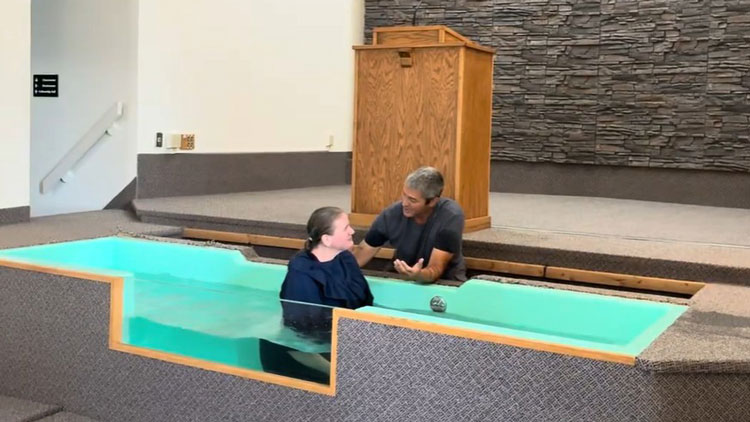
In this episode of One More Chapter, Brian Rex Davis and his co-hosts Noah and Bryson Continue their discussion of the concepts of purpose, principle, and precedent and how they help bridge the gap between meaning and application. They classify different types of biblical precedents—such as accepting both the practice and principle of baptism, retaining principles while adapting culturally bound practices like greetings or modesty, and rejecting both when Scripture indicates—and illustrate necessary inference through Peter’s experience with Cornelius in Acts 10–11.

Purpose and Precedent – One More Chapter, Season 2, Episode 16

This episode of One More Chapter continues the series on Bible study principles for bridging the gap between a passage’s original meaning and its application today. Hosts Brian Rex Davis, Noah Davis, and Bryson Davis review “purpose” and “principle,” then focus on “precedent”, emphasizing how approved apostolic examples establish binding patterns when they carry theological significance—while incidental details do not.

Follow Us on Social Media

Contact Us