

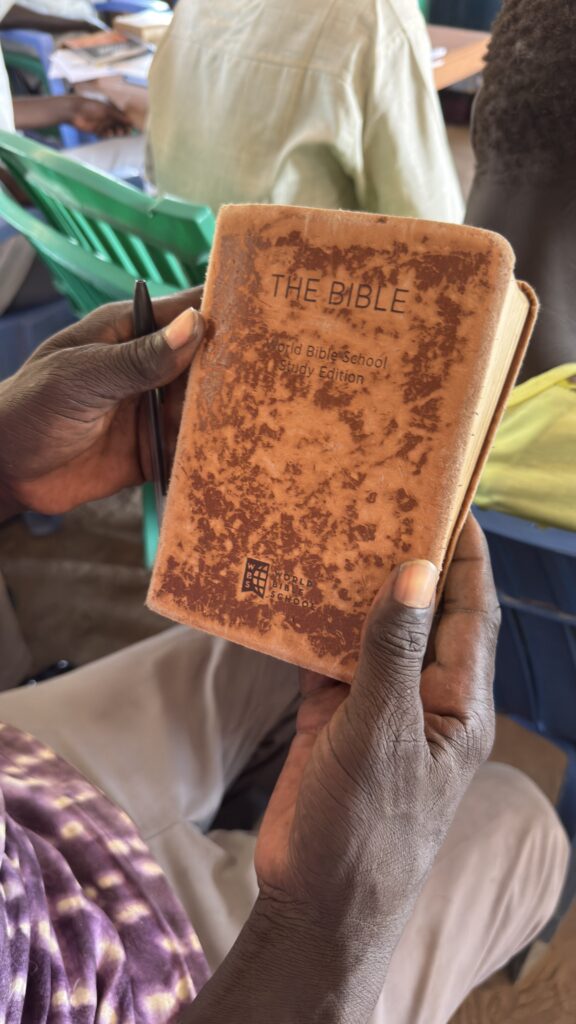
 Christians must understand that the Bible, the complete Bible, is the inspired Word of God. The Apostle Paul spoke to the church in Thessalonica and related his thanksgiving because they accepted the Word of God which they received from him (1 Thessalonians 2:13). Today, our faith is based upon the written message of God which is supported by a multitude of evidence (Hebrews 11:1).
As we search through God’s Word, we begin to understand that the Bible contains several covenants that God established with individuals as well as groups of people. A covenant is a formalized agreement between two or more parties. God’s covenants contain His divine promises which are a binding commitment between man and God.
These covenants come with laws that serve as the terms or conditions for the covenant. We, therefore, have the responsibility to honor these laws, which is our obedience of the covenant.
The first covenant that God presented was with Adam. God offered Adam and his posterity eternal life in the garden with the tree of life with the condition of man’s obedience. God directed Adam to tend and keep the garden; he could eat freely of every tree except the tree of the knowledge of good and evil. If he or anyone else ate from this tree, then they would “surely die” (Genesis 2:15-17). So, this covenant was established, yet Adam and Eve ate from the tree of the knowledge of good and evil, breaking God’s conditions, and therefore God sent them out of the garden and away from the “tree of life” (Genesis 3:24).
In time, Adam and Eve’s descendants became very corrupt and violent, and God determined to destroy the earth. However, Noah walked with God, and he found grace in the eyes of the Lord (Genesis 6:5-8). God therefore made a covenant with Noah that if Noah built an ark exactly as He directed, then He would save Noah and his immediate family. Noah obeyed “all that God commanded him” (Genesis 6:18, 22), and God saved Noah and his family.
As we continue studying the Bible, we see another covenant, one that God made with Abraham (Genesis 15). God promised that his descendants would become great in number and that they would be given a land (Genesis 15:5-7). Plus, God revealed that through Abraham’s seed, all the nations of the earth would be blessed (Genesis 22:18; 28:14).
We learn that Abraham’s descendants, the Israelites, went into the land of Egypt and as they grew in number, the pharaoh became fearful and made them slaves. God called for Moses to lead the Israelites from Egypt to the land that He had promised. And Moses obeyed! It was at this time that God made a special covenant with Moses and the people of Israel. He would protect them from their enemies, guide them in their journey and continue to care for them when they settled in the Promised Land. God presented them with the Law of Moses which was specifically for them. Israel had its ups and downs, and God punished them when they turned against Him. Yet God kept His covenant to Abraham and through his seed, the Israelites, the Messiah came into the world to bless all nations of the earth (Galatians 3:16-19, 29).
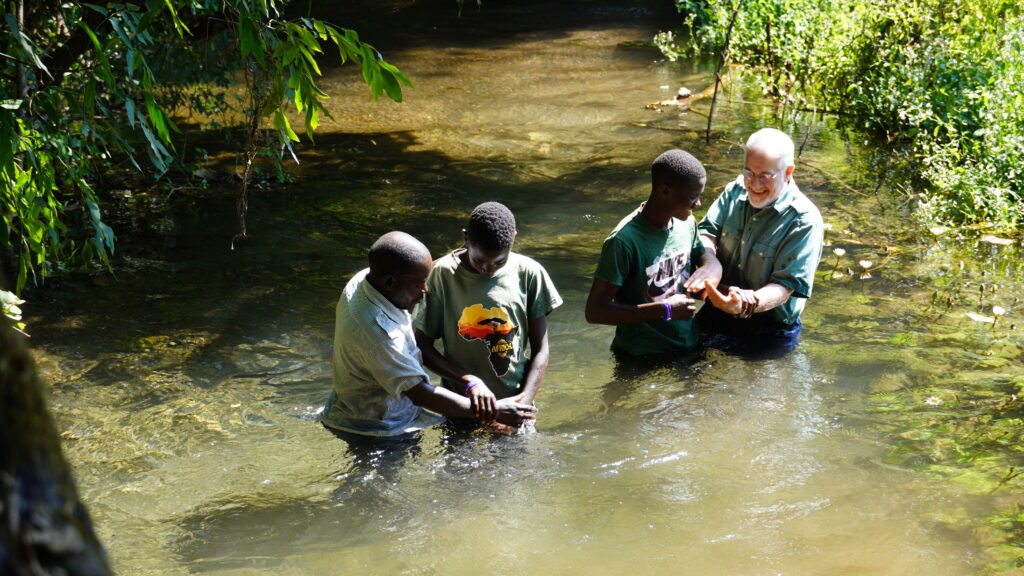
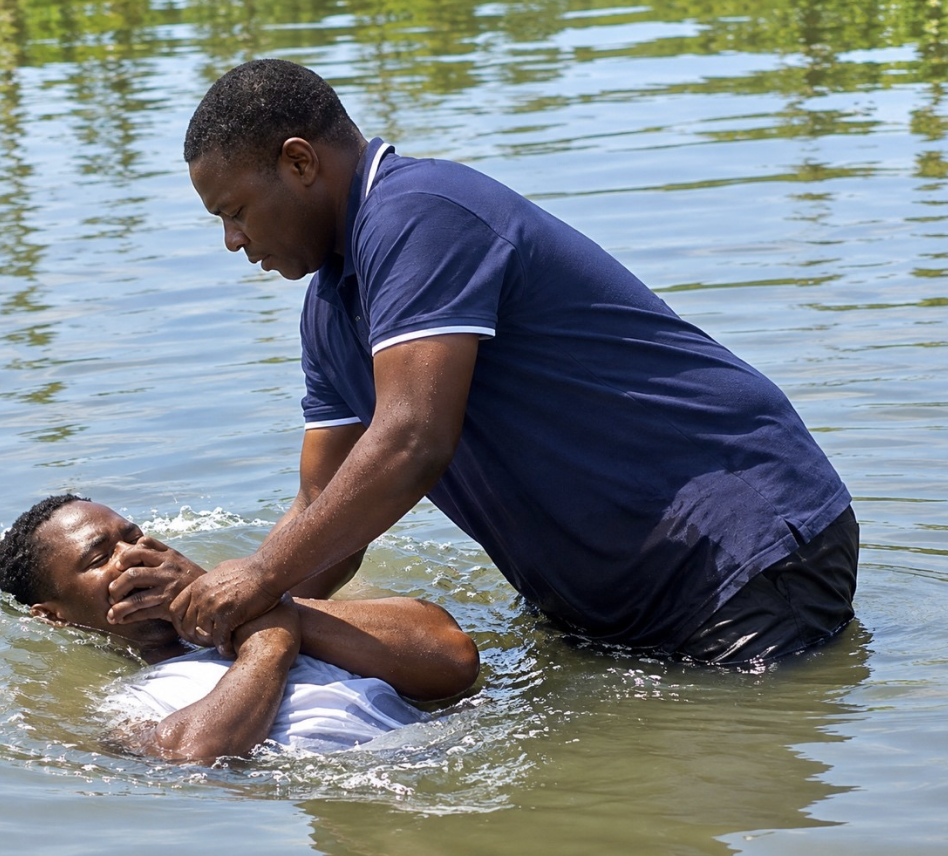
Abraham’s covenant with God was ultimately fulfilled by Christ when He nailed the Mosaic Law to the cross (Colossians 2:14). Christ then established a New Covenant in which all the world was to abide (Galatians 3:26-28). This New Covenant was identified when Christ established the Lord’s Supper, explaining that the wine represents the blood of the New Covenant poured out for many for the forgiveness of sins (Matthew 26:28). Under this New Covenant, we also have a new law (Romans 8:1-2). John stated that we are to abide in the doctrine of Christ, and when we do, we have both God the Father and God the Son (2 John 1:9). Christ’s law directs us to go into all the world, teaching His New Covenant and bringing others to Him through obedience (Matthew 28:18-20; Mark 16:15-16). We must teach so that others believe (John 8:24), we must teach the necessity of repenting from sin (Luke 13:3), we must teach others to confess that Jesus is their Lord (Romans 10:9-10), and we must teach that Christ’s saving blood is provided at baptism (Mark 16:16). Then we must remain faithful to the Lord’s New Covenant for the rest of our lives or until He returns (Romans 6:17-18).