
Bible Curriculum: Christianity Must Be Taught

Christianity must be taught for someone to become a Christian. One is not “born” into Christianity; one must be “born again” into Christ. Jesus, himself, stated it this way in His Great Commission:

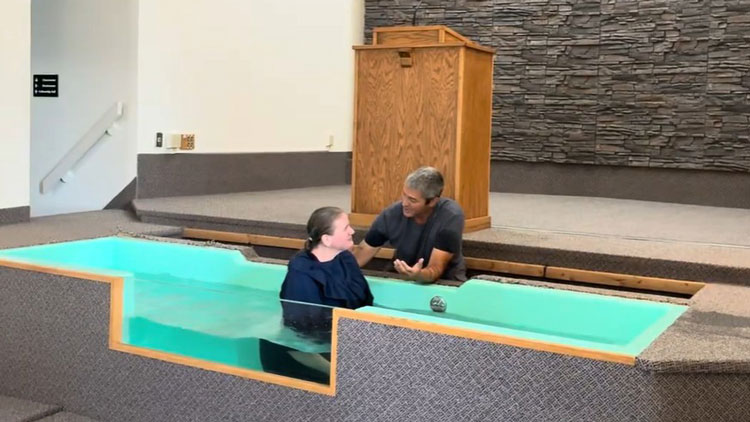
Go therefore and make disciples of all nations, baptizing them in the name of the Father and of the Son and of the Holy Spirit, teaching them to observe all that I have commanded you. (Matthew 28:19-20, ESV)

Roles in the Family of God

Teaching people to observe all that Jesus commands is a lifetime challenge. WBS has had decades of experience with teaching people the Gospel. In recent years, WBS has been able to publish advanced courses that help Christians to observe all that Jesus wants us to observe in New Testament Christianity.

We call these courses our “Bible Curriculum” which provide individuals and churches with affordable and trustworthy Bible study curriculum written in convenient 13-week (quarterly) courses.

WBS Bible Curriculum courses provide deep and insightful studies into great Biblical truths. Whether exploring Old or New Testament passages, each study is rooted in the perspective Jesus brings to the Word.

Click here to order our Bible Curriculum

Related Posts

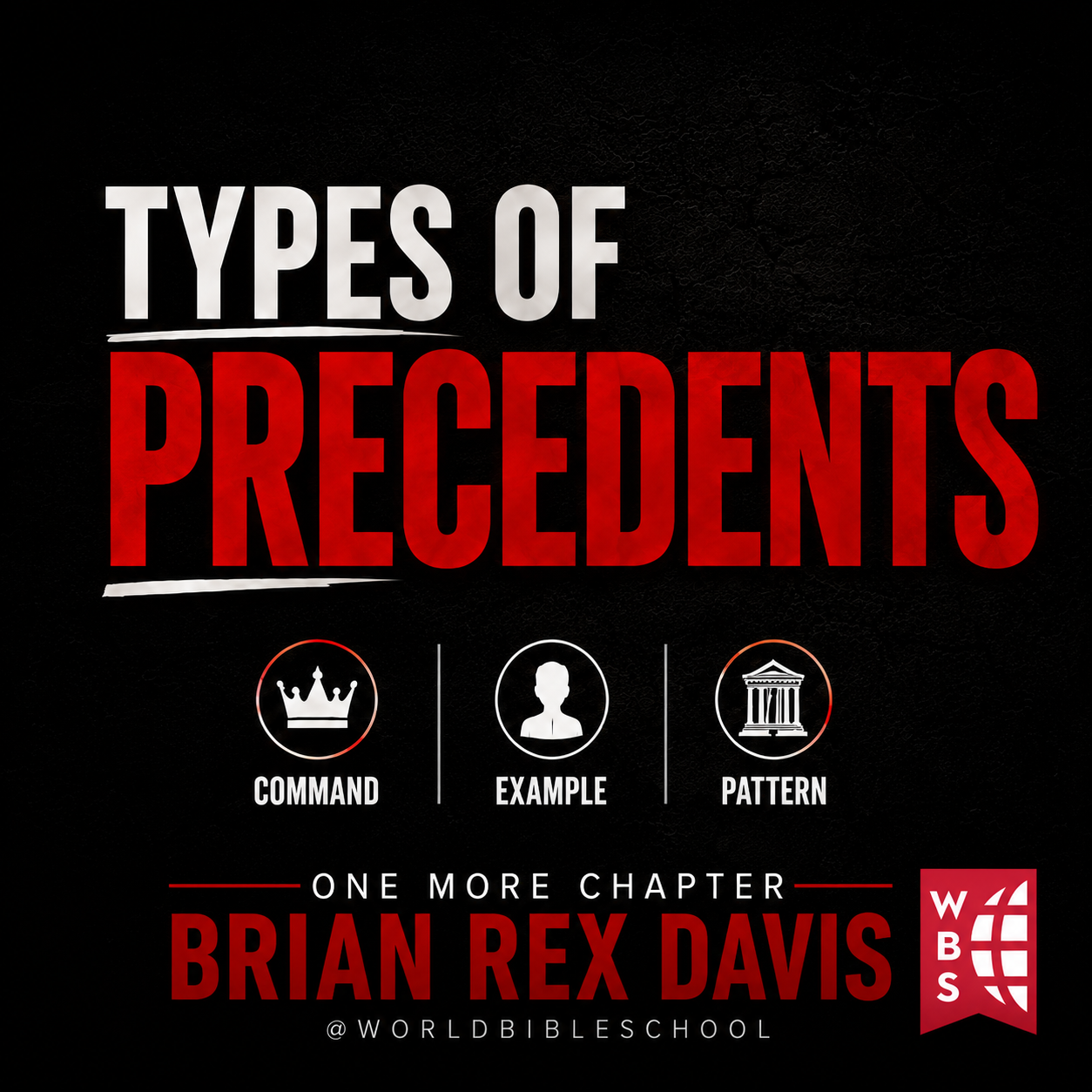
Types of Precedents – One More Chapter, Season 2, Episode 17

In this episode of One More Chapter, Brian Rex Davis and his co-hosts Noah and Bryson Continue their discussion of the concepts of purpose, principle, and precedent and how they help bridge the gap between meaning and application. They classify different types of biblical precedents—such as accepting both the practice and principle of baptism, retaining principles while adapting culturally bound practices like greetings or modesty, and rejecting both when Scripture indicates—and illustrate necessary inference through Peter’s experience with Cornelius in Acts 10–11.

Purpose and Precedent – One More Chapter, Season 2, Episode 16

This episode of One More Chapter continues the series on Bible study principles for bridging the gap between a passage’s original meaning and its application today. Hosts Brian Rex Davis, Noah Davis, and Bryson Davis review “purpose” and “principle,” then focus on “precedent”, emphasizing how approved apostolic examples establish binding patterns when they carry theological significance—while incidental details do not.

Follow Us on Social Media

Contact Us